
Protecting Growing Eyes: The Parent’s Guide to UV Safety and Myopia Management for Central Florida Kids

Central Florida gives children plenty of opportunities to play outside, participate in sports, and enjoy year-round sunshine. Outdoor activity can benefit children in many ways, including supporting healthy visual development. However, parents must also protect growing eyes from ultraviolet radiation and monitor vision changes that may indicate myopia.
 

At Eyedeology Eye Care and Optical Boutique, we help Orlando families combine practical UV safety habits with personalized myopia management. These two approaches serve different purposes, but both can contribute to a child’s long-term visual health.
 

Why UV Protection Matters for Children


Children often spend more time outdoors than adults, whether they are at recess, attending summer camp, playing sports, or visiting Central Florida attractions. Their eyes need protection during cloudy days as well as bright, sunny afternoons because ultraviolet rays can still reach the eyes when the sky appears overcast.
 

Long-term UV exposure may contribute to eye and eyelid conditions later in life. Parents can help reduce exposure by choosing sunglasses that block 99 to 100 percent of both UVA and UVB radiation. A dark tint alone does not guarantee UV protection, so check the label or speak with an eye care professional before purchasing children’s sunglasses.
 

A Practical UV Safety Checklist


Protective eyewear should be comfortable, secure, and appropriate for your child’s activities. Consider these steps when preparing your child for time outdoors in Orlando:
 

  • Choose sunglasses labeled UV400 or 99 to 100 percent UVA and UVB protection
  • Select wraparound frames to limit sunlight entering from the sides
  • Add a wide-brimmed hat or cap for additional shade
  • Use impact-resistant sports eyewear for activities with a risk of injury
  • Replace scratched, damaged, or poorly fitting sunglasses
  • Keep a backup pair in a backpack, sports bag, or vehicle
 

Children are more likely to wear sunglasses consistently when the frames fit well and feel comfortable. Allowing them to help select the style may also encourage regular use.
 

Outdoor Time and Myopia Development


Myopia, commonly called nearsightedness, causes distant objects to appear blurry. It often begins during childhood and may progress as the eyes grow. Children with myopia may squint, sit close to the television, hold screens near their faces, or struggle to see information across the classroom.
 

Research supports regular outdoor time as one strategy that may help delay the onset of myopia. Wearing sunglasses and a hat does not cancel the potential visual benefits of being outside, so parents do not need to choose between UV safety and outdoor activity.
 

Balanced habits are important. Encourage outdoor play while also helping children take breaks from prolonged reading, homework, gaming, and digital device use.
 

Why Standard Glasses May Not Be Enough


Regular prescription glasses improve blurry distance vision, but standard lenses are not designed to slow myopia progression. Myopia management takes a more proactive approach by correcting vision while attempting to reduce how quickly nearsightedness worsens.
 

Depending on the child, management may involve specialized contact lenses, orthokeratology lenses worn overnight, myopia control spectacle lenses, prescription eye drops, or a combination of strategies. The appropriate recommendation depends on factors such as age, prescription, eye growth, family history, lifestyle, and previous progression.
 

Consistent follow-up visits are also necessary. These appointments allow us to track prescription changes, assess treatment effectiveness, and adjust the care plan as a child grows.
 

When to Schedule a Myopia Evaluation


Parents should schedule an eye exam when a child reports blurry distance vision, headaches, eye strain, or trouble seeing the classroom board. An evaluation is also important when a child’s prescription changes frequently or when one or both parents have myopia.
 

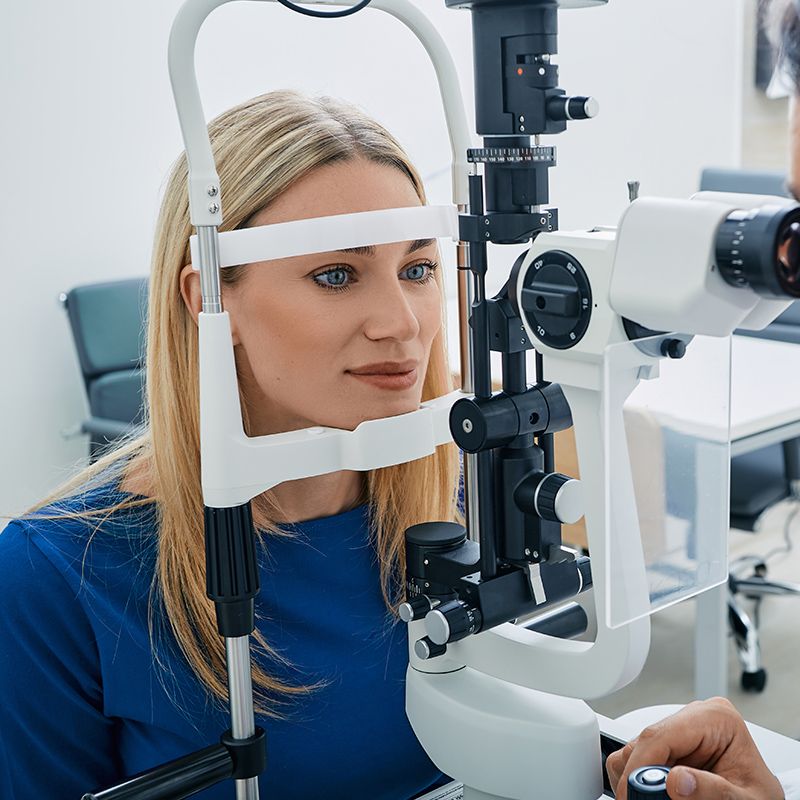
School vision screenings can identify certain concerns, but they do not replace a comprehensive pediatric eye exam. Detailed testing gives us a clearer understanding of your child’s prescription, eye health, focusing ability, and myopia risk.
 

Schedule your child’s comprehensive eye exam and myopia management evaluation with Eyedeology Eye Care and Optical Boutique at 8685 Fenton St., Suite 130, Orlando, FL 32836. Call (407) 470-0579 to book an appointment.